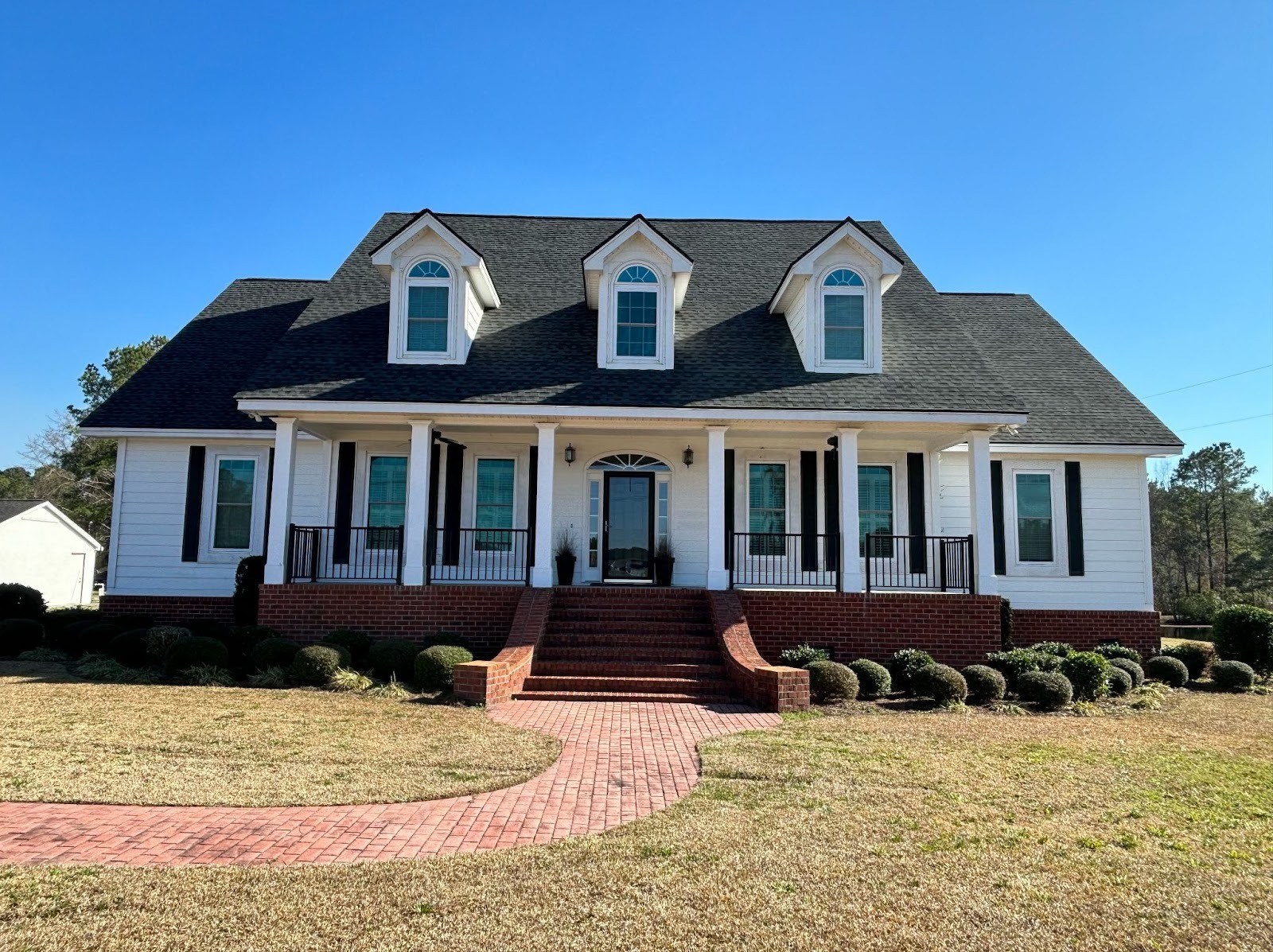
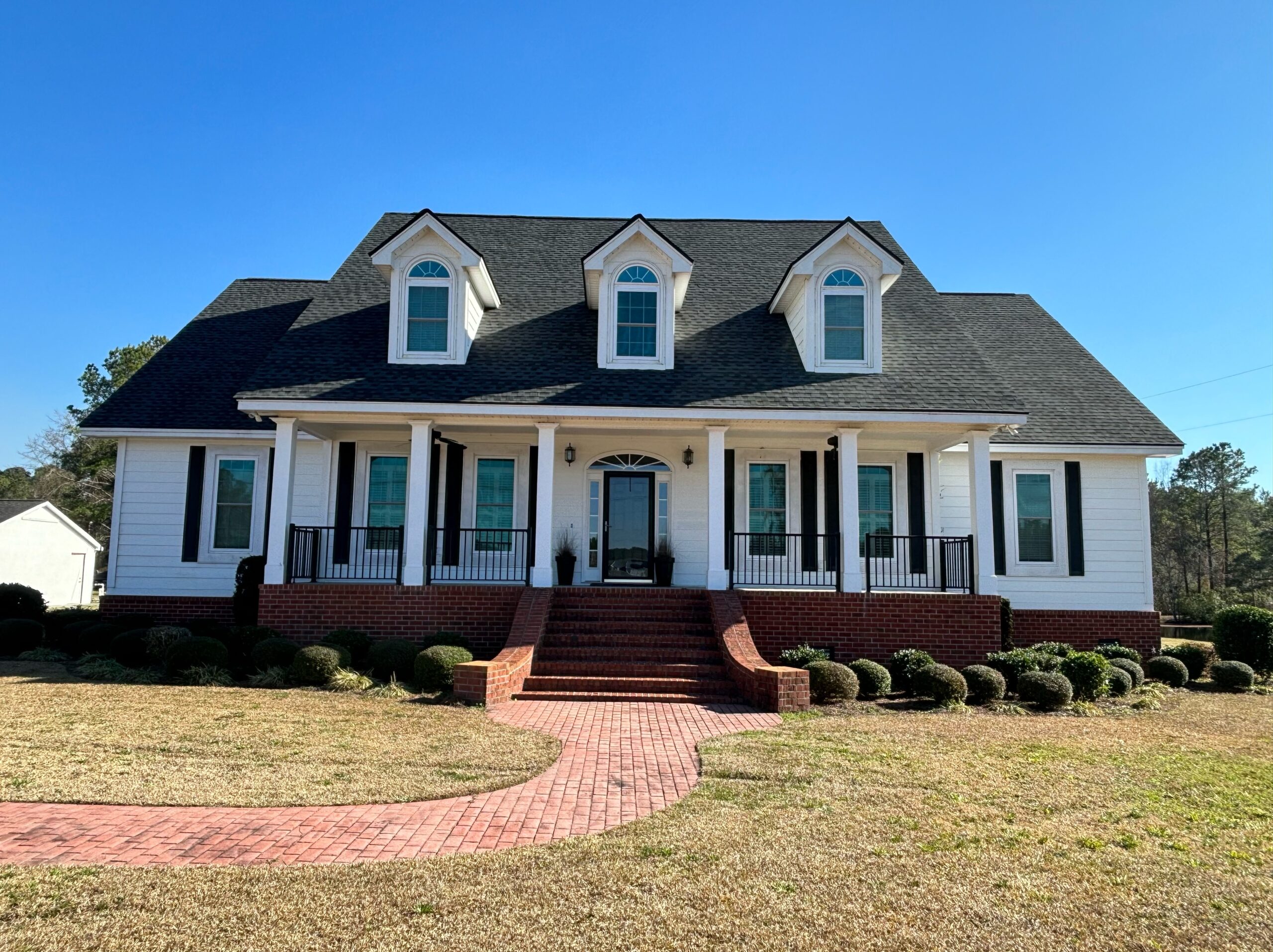
The beauty and comfort of homes in Pawleys Island depend on more than fine curb appeal and sturdy shingles; proper attic ventilation is crucial for the long-term health of your roof and the living spaces beneath it. Pawleys Island's humid subtropical climate, marked by warm temperatures and year-round moisture, makes homes especially susceptible to ventilation mistakes that can lead to heat buildup, rising energy bills, and damaging mold or mildew. Understanding key errors and their solutions ensures your investment is protected and your living environment remains healthy.
Improper roof ventilation often begins with poor attic airflow. In Pawleys Island and across the coastal South, failing to create a balanced system that promotes air movement traps warm, moist air in your attic. This not only warps the underside of your roof decking but puts your home at risk for chronic moisture issues. The most common mistakes include:
Blocking soffit vents with insulation or debris, a critical error that stops fresh air from entering your attic.
Combining incompatible vent types (such as ridge and box vents) which can actually decrease airflow and create hot spots.
Insufficient exhaust vents, preventing hot air from escaping efficiently.
Roofing experts at Santee Roofing have frequently encountered attic spaces where soffit intake vents are obstructed by attic insulation or even wood debris from old construction, inhibiting the steady airflow needed. The result is unwanted moisture accumulation that can destroy insulation effectiveness and even spark problems in your roof repair needs down the line.
In the coastal Carolinas, high humidity is a year-round fact of life. Without proper ventilation, moisture trapped in attics leads to:
Condensation buildup, which in turn causes wood rot, mold growth, and mildew odors that can infiltrate your living space.
Increased roof temperatures that prematurely age shingles, leading to blistering, curling, and the need for costly roof replacement.
Excessive HVAC strain from trapped heat, pushing cooling systems to work overtime and thereby increasing energy costs.
A recent service call in Pawleys Island revealed an attic filled with water stains and dark mold due to incorrectly installed gable vents and blocked soffits. Correcting the configuration and clearing obstructions restored the home's attic health and saved the homeowner from a full roof inspection later in the year.
To shield your roof from local climate challenges, make sure your attic's airflow system is designed and maintained for optimal performance. The following best practices are recommended for homes along the South Carolina coast:
Ensure that all soffit vents are clear and free from insulation, dirt, or bird nests.
Opt for a balanced system of intake and exhaust, such as continuous soffit venting paired with ridge vents, suitable for steep- and low-slope roofs alike.
Schedule annual professional roof evaluations to detect and resolve blocked vents, improper vent mixes, or evidence of mold and mildew.
Consider moisture barriers and attic fans in areas with consistently high humidity, customized for coastal conditions.
Given Pawleys Island's frequent storms, periods of heavy rain, and hot summers, maintaining attic ventilation is not a seasonal concern but a year-round necessity. Small issues such as leaves clogging a vent can quickly escalate into roof rot or interior water damage. By being proactive, you extend shingle life, preserve your investment, and maintain healthy indoor air quality for your family.
Santee Roofing proudly serves Florence, SC, Manning, SC, Sumter, SC, Georgetown, SC, and Pawleys Island, SC. If you notice signs of inadequate ventilation or want to prevent costly roof and attic damage, schedule a consultation with a qualified team. Call 843-485-1100 or fill out our online form to receive a tailored assessment and keep your home protected for years to come.