Choosing Between Asphalt Shingles and Metal Roofing in Georgetown, SC
Deciding between asphalt shingles and metal roofing is an essential choice for Georgetown homeowners. The coastal climate presents unique challenges and opportunities for your roof, affecting everything from performance and durability to curb appeal. Understanding the advantages and trade-offs of these two popular roofing materials can help you make a decision that best fits Georgetown's humid, salty, and sometimes storm-prone environment.
Performance in Coastal Humidity
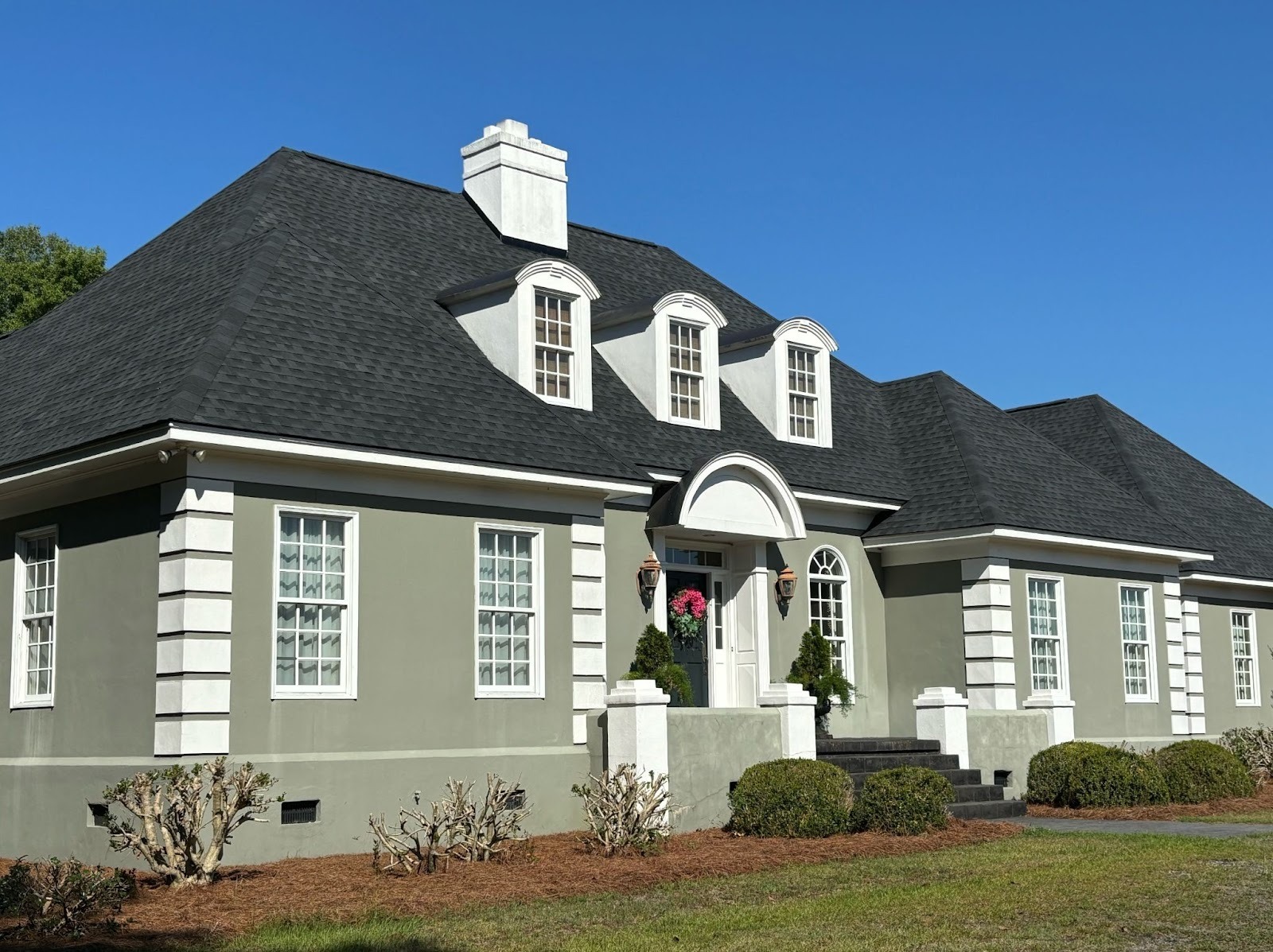
The high humidity and salt air in Georgetown mean your roofing system needs to be resilient. Asphalt shingles such as GAF's Timberline series, are built to resist algae and mildew, but over time, humidity can still lead to moss growth and shingle curling, especially in shaded or poorly ventilated areas. Metal roofs, typically coated steel or aluminum panels, are highly resistant to moisture and salt corrosion; this makes them better suited to the coastal air, as they are less likely to deteriorate rapidly.
Lifespan and Durability
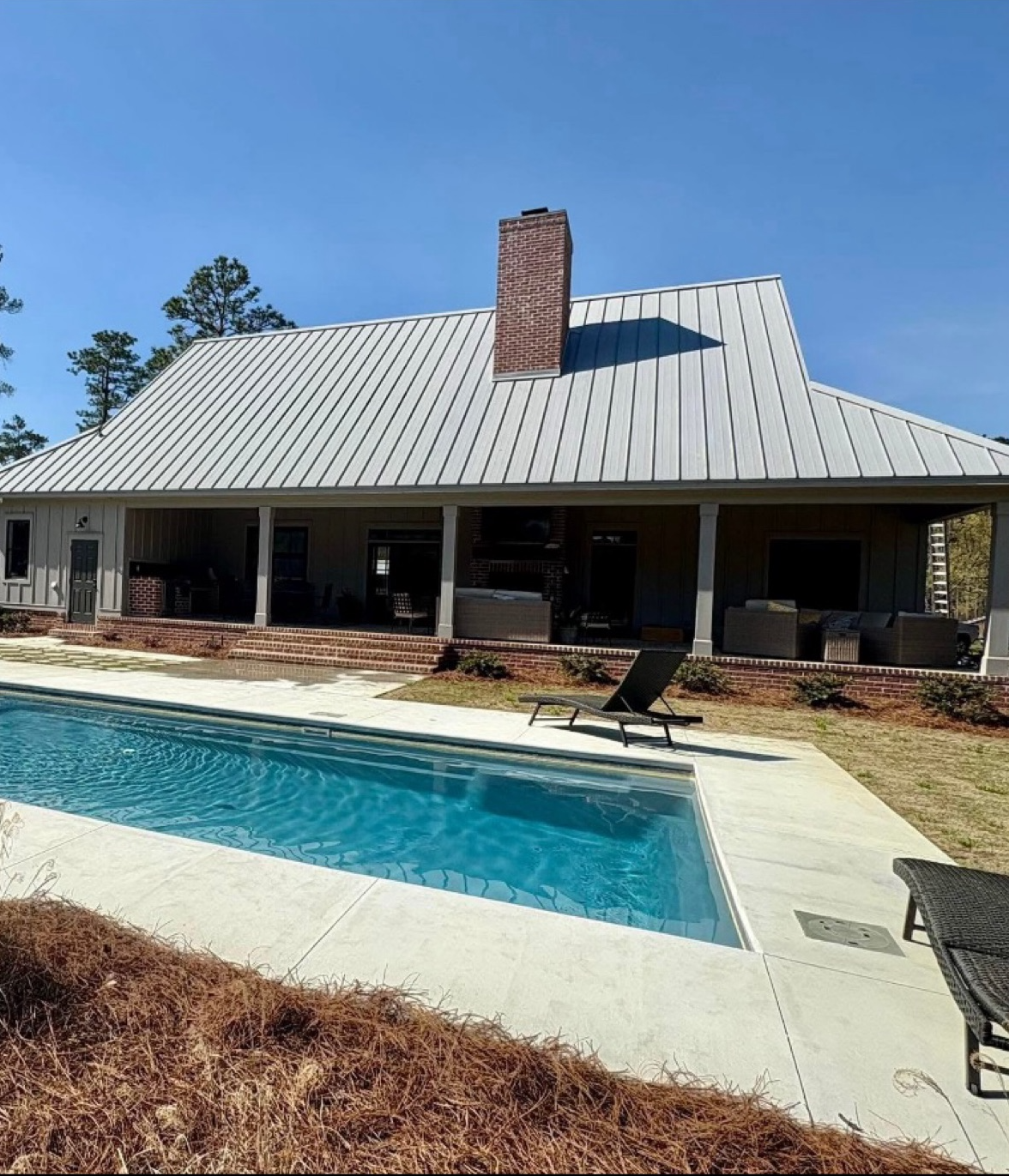
When it comes to longevity, metal roofing leads the way. A professionally installed metal roof can last 40-70 years, whereas asphalt shingles often offer around 20-30 years of reliable service. In Georgetown's hurricane season, metal roofs provide an edge with exceptional wind uplift resistance. However, high-quality laminated asphalt shingles rated for severe weather are also a solid choice. Each material benefits from professional installation and prompt storm damage roof repair, ensuring the roof withstands South Carolina's intense weather events.
Energy Efficiency and Comfort
Keeping cool in the Lowcountry heat is a consideration for every homeowner. Metal roofing reflects more sunlight than asphalt, translating into significant energy savings during summer months. Reflective metal panels keep attic spaces cooler, reducing the burden on air conditioning systems. Asphalt shingles come in lighter "cool roof" colors, but generally, they absorb more solar heat. Homeowners seeking maximum energy efficiency in Georgetown's long summers often prefer metal roofing, especially if they're considering solar panel installation as well.
Aesthetics and Curb Appeal
Aesthetic appeal is an important consideration, especially in Georgetown's historic neighborhoods and coastal communities. Asphalt shingles offer a traditional look with a wide variety of textures and colors, easily fitting the architectural style of most homes in the area. Metal roofing has evolved well beyond the old "barn roof" appearance; options now include standing seam panels, metal shingles, and stone-coated metal, which can complement both classic and modern home designs. Whether you want a timeless southern aesthetic or a bold, contemporary finish, both materials offer versatile solutions for roof replacement services.
Cost Comparison and Value
Budget remains a leading factor. Asphalt shingles are generally less expensive to install, with a lower upfront cost that appeals to many homeowners. Metal roofing costs more initially but can provide superior value over the long life of the roof, requiring less frequent replacement and minimal maintenance. Homeowners in Georgetown considering total lifetime cost, possible insurance benefits, and energy savings may find that the higher initial investment in metal roofing pays off over time. For those seeking a quality upgrade, new roof installation with either material should always be performed by a local, certified roofing contractor.
Contact Santee Roofing for Trusted Roofing Solutions
If you are searching for experienced guidance and reliable service when choosing between metal or asphalt roofing in Georgetown, SC or the greater Florence, Manning, Sumter, and Pawleys Island areas, reach out to Santee Roofing. Their team brings years of local expertise, offering roof inspections, repairs, and full replacements tailored to your home's needs and South Carolina's climate. Call 843-485-1100 or fill out our online form to schedule your free local roof assessment.